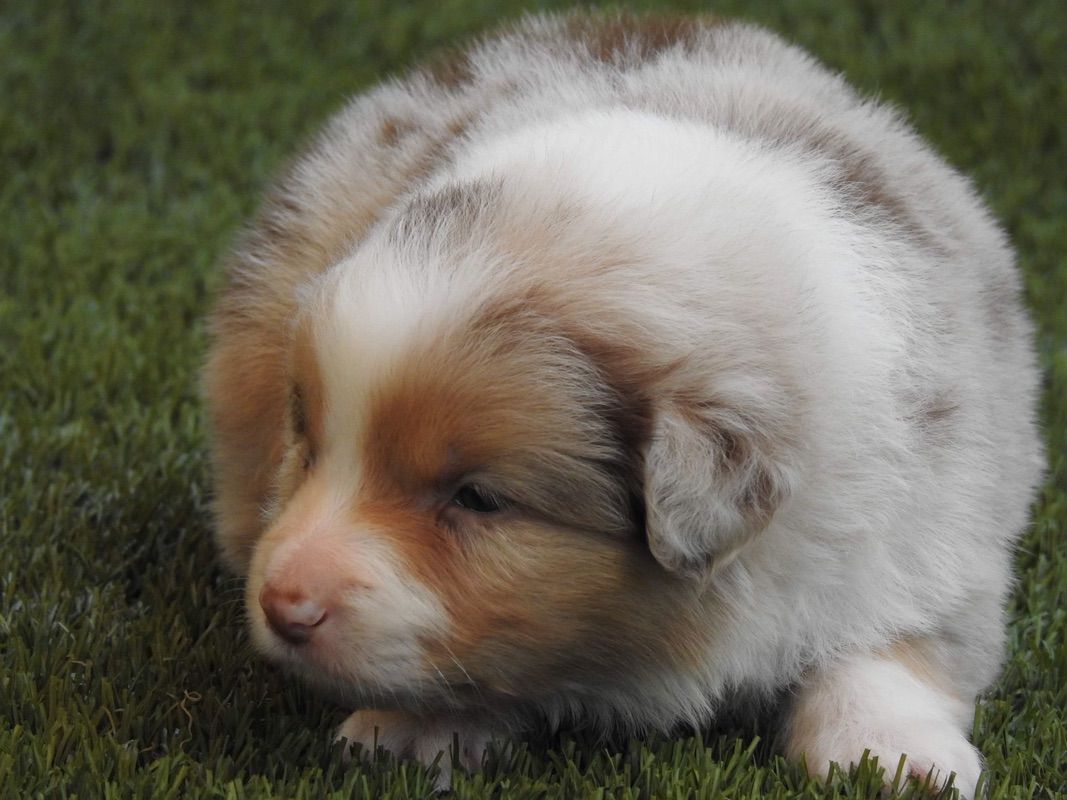
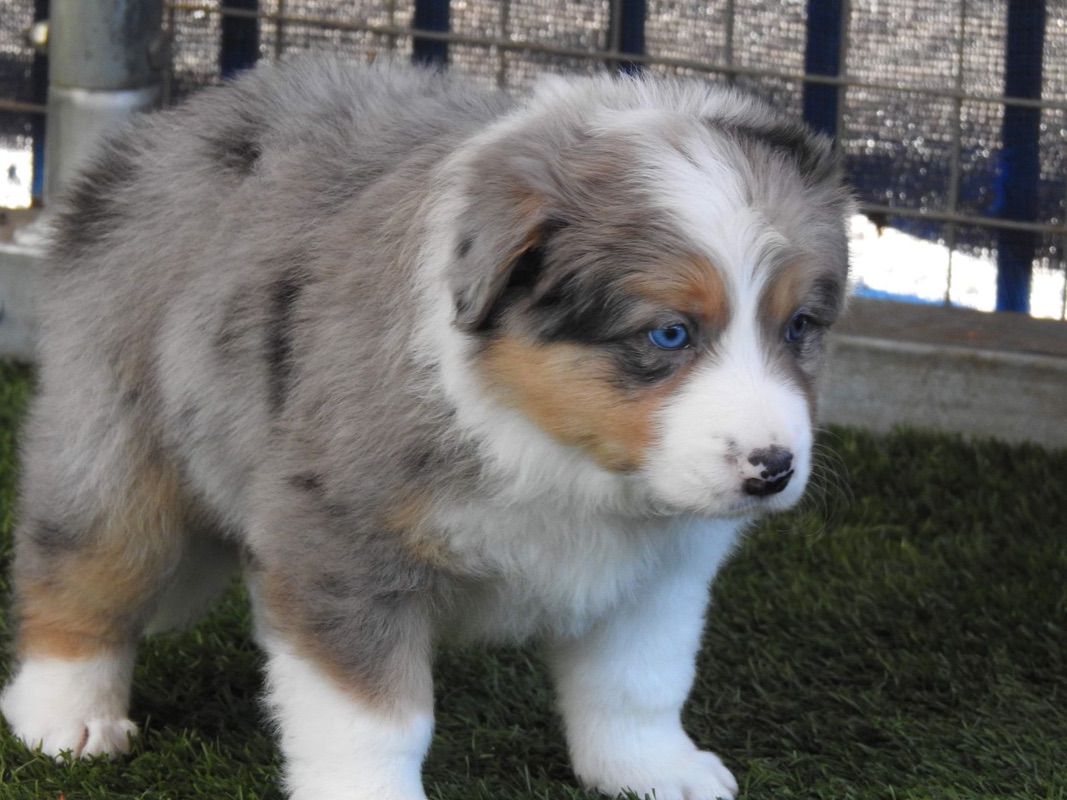
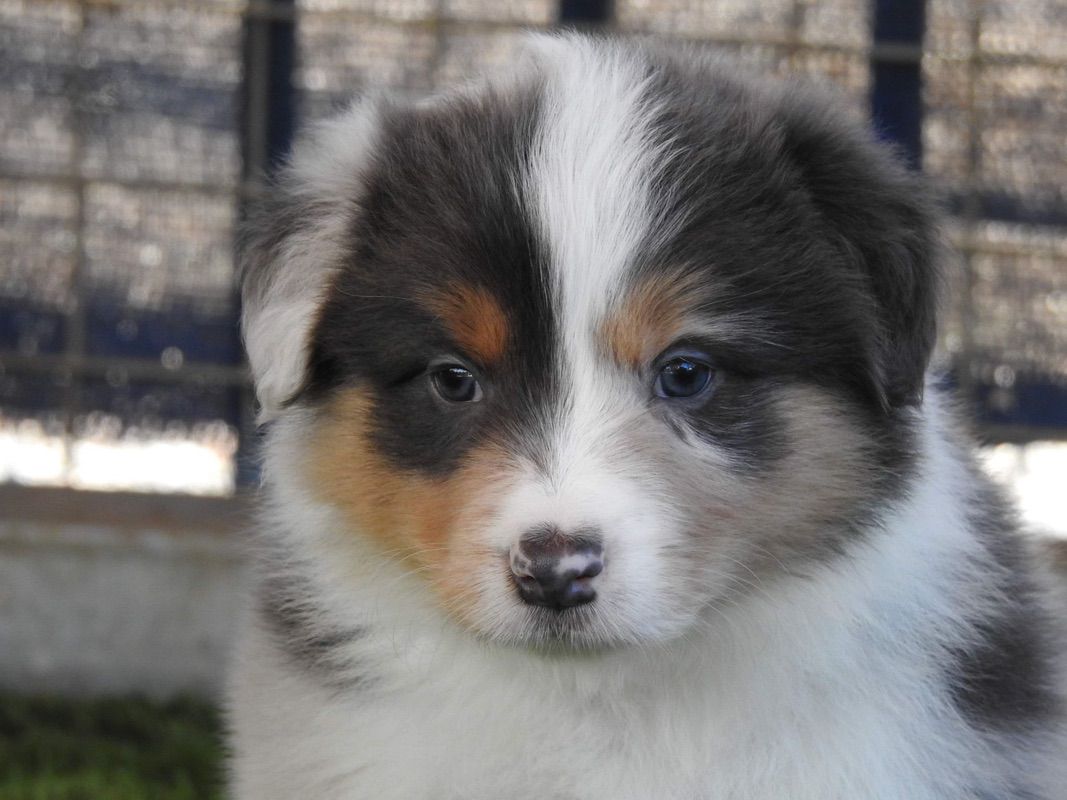
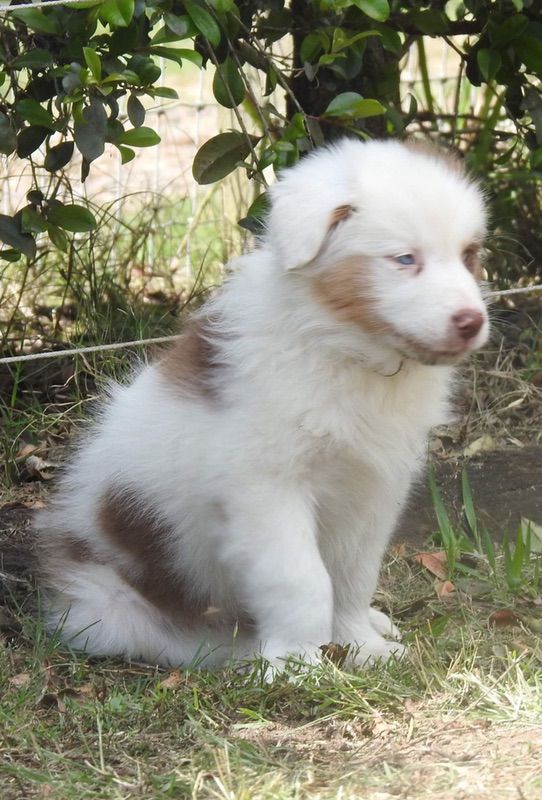
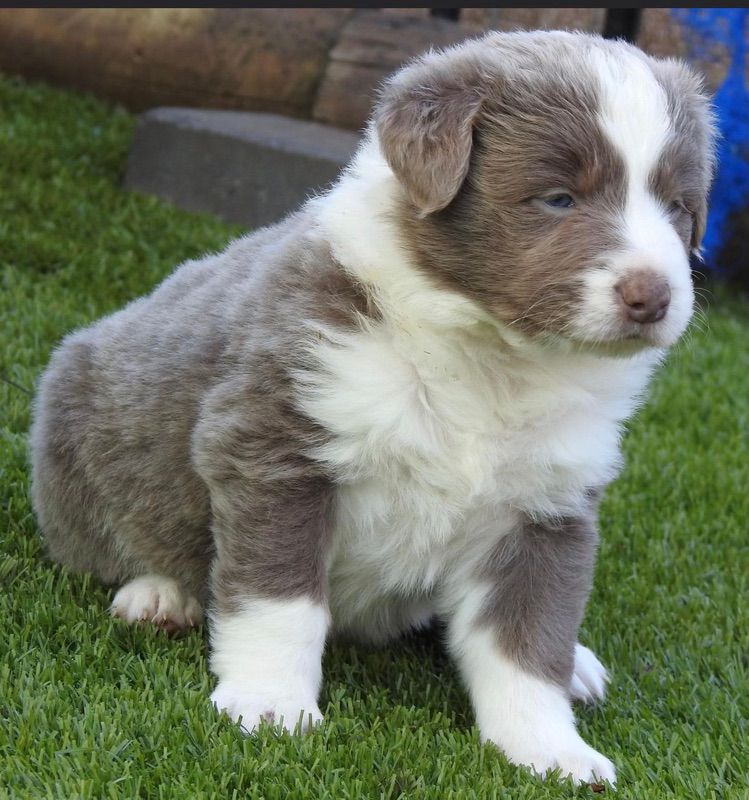
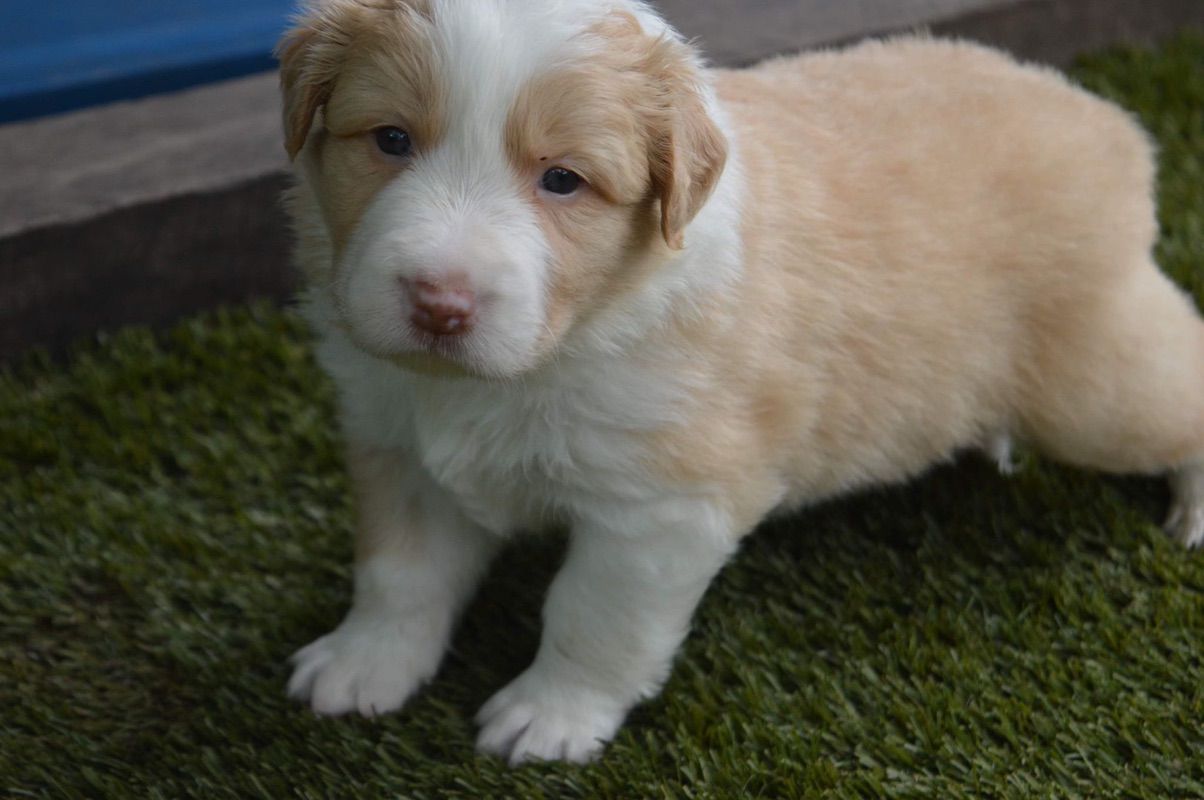
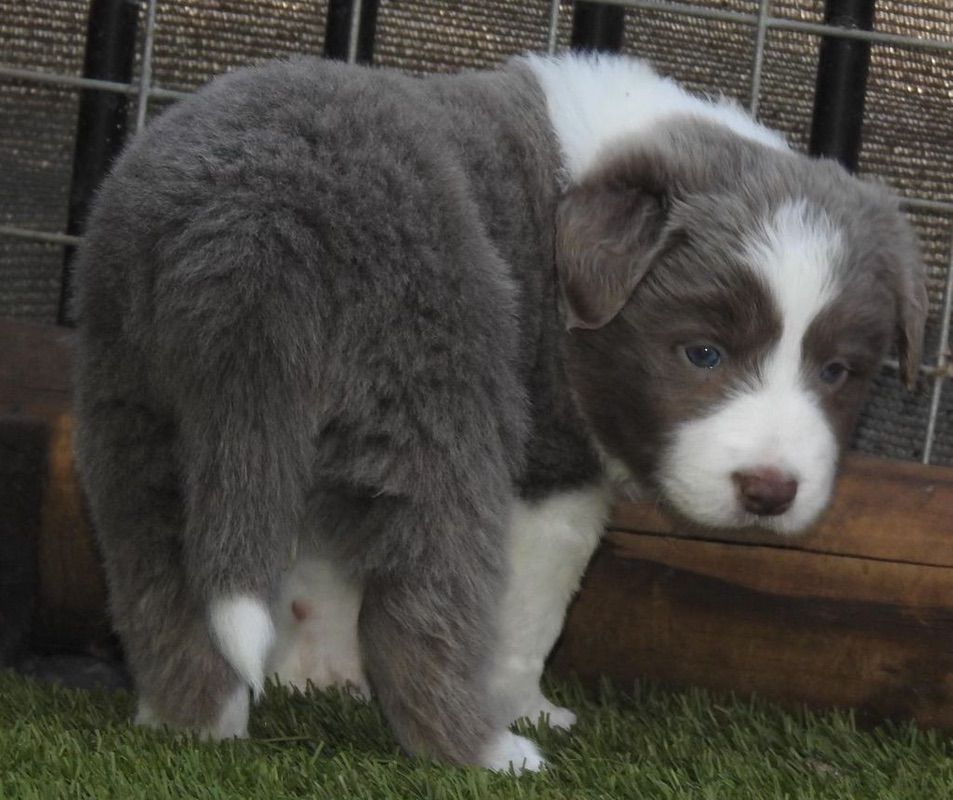
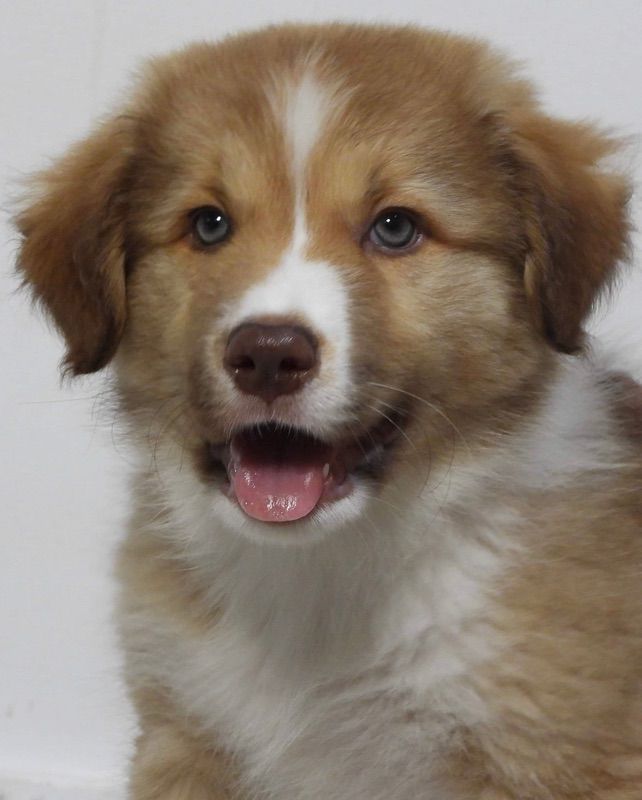
When it comes to the health of our Border Collie dogs here at Louanneley Kennels, we take it very seriously! We have all of our dogs genetically tested with Orivet.
There are 13 main hereditary health issues to look out for when it comes to the Border Collie, see below for detailed information about each disease. The main diseases that I have always been testing for are TNS, NCL, CEA and MDR1.
How testing helps us:
If we have a dog that is a carrier, we will breed it out of our lines. This is done by testing a few pups from a mating and keeping a clear dog. This can take time so we might say we are with holding a few pups from sale as we are waiting on test results and then we will decide when we know the results. We do not have any affected dogs or carriers so all puppies will be clear.
DNA tested clear dog to clear dog = all offspring clear.
DNA tested clear dog to carrier dog = acceptable as this will not produce any affected pups. Offspring will be clear or carrier.
DNA tested clear dog to affected dog = acceptable as this will not produce any affected pups. All offspring will be carriers.
Trapped Neutrophil Syndrome
This is an autosomal recessive disease of Border Collies that appears to have been present in the breed for a very long time and occurs across all lines. It is an immune defect where neutrophils are produced by the bone marrow, but there is a defect that prevents their release into the bloodstream. This results in a susceptibility to infection and tendency to ill-thrift and repeated infections. Some pups are small and fine-boned in appearance, while others appear normal. Pups will often react badly to vaccination, developing severe fever and illness. Most affected animals die or are euthanised by the age of 6 months. Affected animals are diagnosed by having a low neutrophil count on blood tests, but plentiful neutrophils on bone marrow biopsy. A DNA test is now available so that breeding animals may be tested, and carrier animals detected. It is estimated that 10 – 15% of the Border Collie population are carriers for Trapped Neutrophil Syndrome. There is no cure for this disease.
Neuronal Ceroid Lipofuscinosis 5
This is a lysosomal storage disease, of which there are at least 2 forms seen in dogs. It is inherited in an autosomal recessive manner and is seen infrequently but regularly in Border collies. A defect in metabolism leads to a build-up of a pigmented toxin called ceroid lipofuscin within cells, including those of the brain and retina. This causes death of brain cells, as they cannot function normally as this waste product continues to build up. Affected dogs will have an acute onset of neurologic signs around the age of 2 years, with common signs including abnormal behaviour, dementia-like changes, central blindness, circling and seizures. There are no treatment available and affected dogs will die quickly. Fortunately, a DNA test is now available so that breeding animals may be tested and classified as normal or carriers. Ceroid lipofuscinosis has been diagnosed in the UK, USA and Australia in all lines of Border Collies (including British and American). The prevalence of carriers within the population in Australia has been estimated from DNA testing to be around 5%, which seems to be approximately 10 times the rate in the UK and USA. It is believed that a dog who was imported into Australia was a carrier of ceroid lipofuscinosis before anyone was aware of the disease, and that many Border Collies now in Australia can trace their descent to this dog.
Collie Eye Anomaly/Choroidal Hypoplasia
Collie Eye Anomaly is a developmental defect of the eyes that is inherited in a simple recessive manner. Expression is affected by several modifier genes, resulting in some variability in clinical disease, and there is some research suggesting the development of coloboma is polygenic (involves more than one gene). There is always (by definition) choroidal hypoplasia - a decrease in the development of the blood vessels at the back of the eye. This can be detected on eye examination by a veterinary eye specialist at 6-8 weeks of age. Later than this it may be difficult to detect changes because as the tapetum (a pigmented reflective section of the retina) develops it may hide any changes at the back of the eye – this is known as the “go normal” phenomenon and does not mean that the animal is no longer affected, just that the changes can no longer be seen. As well as choroidal hypoplasia, affected dogs may also develop optic disc coloboma (which are developmental “holes” where the nerve supplying the eye enters) and retinal haemorrhages that may lead to retinal detachment. Retinal detachment occurs in around 4-5% of affected animals, and may be in localised areas, or detachment of the entire retina, which causes blindness. Intraocular haemorrhage can also occur in severe cases. Mild cases may just have choroidal hypoplasia, with little effect on vision. Coloboma is a more severe change, which may cause areas of reduced vision. Retinal haemorrhage and focal retinal detachment may cause blind spots, while complete retinal detachment results in a blind eye. This can occur in the puppy or happen spontaneously in an adult affected dog. A simple DNA test is now available for this disease, which has helped in reducing the prevalence of the disorder in the collie. Statistics from Optigen (the company that offer the DNA test for this condition) show the prevalence of this condition in the rough collie to be 72% and in the smooth collie it is 62%, although this is now dated somewhat. This includes affected and carrier animals. Closely related herding breeds such as the Border collie, Australian shepherd and Shetland sheepdog also have relatively high carrier rates of the condition. Several other breeds do carry the CEA mutation as well, and most likely had affected herding breeds in their breed ancestry. The condition has also been reported occasionally in mixed breeds. Puppy is difficult as mildly affected parents may produce offspring that are severely affected.
Ivermectin Sensitivity MDR1 (Multi Drug Resistance)
In certain breeds a mutation on the MDR1 gene (which stands for Multi Drug Resistance 1) makes affected animals sensitive to certain drugs. The first drug that this defect was found to be present for was Ivermectin, used to treat mange and prevent heartworm. Affected dogs suffer seizures when given this drug. It has since been found that the mutation on the MDR1 gene means that the brain is not able to efficiently pump some drugs out of its protected environment the way normal brain vessels do – hence these drugs can enter and build up in the brain tissue and cause toxic effects such as seizures. A range of drugs are usually pumped out of the brain by the protein pump that the MDR1 gene is responsible for, and so dogs carrying the defective (“mutant”) gene are sensitive to a whole range of drugs. Dogs carrying two copies of the mutant gene are more sensitive to these drugs than those with one copy of the gene. For more details on the drugs involved in this disease, information can be found at http://vcpl.vetmed.wsu.edu/problem-drugs Your vet should be aware if your dog is carrying an affected MDR1 gene, or 2 copies of the gene, as the amount of these drugs given needs to be reduced to avoid toxic effects, or alternative drugs used if available. This genetic defect is known to occur quite commonly in several breeds, especially Collies, and a DNA test is available to determine if your dog is carrying abnormal MDR1 gene/s or not.
Von Willebrand’s Disease Type II
Von Willebrand’s Disease is the most common inherited bleeding disorder in dogs and occurs when there is a lack of functional Von Willebrand factor. Von Willebrand factor is needed for the normal adhesion of platelets and for normal blood clotting to occur. There are 3 types of Von Willebrand’s disease, and type II disease occurs when there is structurally abnormal Von Willebrand factor in the blood of affected animals. This is a recessive disorder and is a rare and severe form of Von Willebrand’s disease. Because the Von Willebrand factor is structurally abnormal, it will not function as it is supposed to in the process of blood clotting. This type of Von Willebrand’s disease leads to severe bleeding disorders and episodes of bleeding. Diagnosis may be suspected in a dog that has a bleeding problem but a normal PT and APTT and can be confirmed by DNA testing for the mutation that causes the disease. Treatment may involve supportive care as an inpatient in hospital, as well as blood and/or plasma transfusions to provide functioning clotting factors. Care must be taken that affected dogs do not play roughly, suffer trauma from falls or jumping from heights, and that veterinarians are always aware of their condition. However severe episodes of bleeding that can be life-threatening may occur regardless.
Cobalamin Malabsorption: Cubilin Deficiency
Intestinal Cobalamin Malabsorption (Border Collie Type) is an inherited disease affecting dogs. Affected dogs are unable to make adequate amounts of a protein that plays a role in absorption of certain nutrients from the intestinal tract and kidneys, including the B vitamin, cobalamin. Affected dogs have increased levels of methylmalonic acid in their urine (a sign of cobalamin deficiency) from as early as 14 weeks of age, but symptoms of disease may not be recognized by owners for months or years. Symptoms of disease include anorexia, lethargy, poor weight gain, poor muscle mass, and in rare circumstances, a severe neurological dysfunction called hepatic encephalopathy that can lead to altered mental state, seizures, coma and death. Affected dogs have an increase in certain proteins in their urine and have decreased synthesis of blood cells resulting in Anaemia and decreased numbers of neutrophils. Affected dogs require cobalamin supplementation for life that results in disease remission for most animals within a few weeks. Though not associated with clinical disease, affected dogs will continue to pass increased amounts of certain proteins in the urine even with cobalamin supplementation.
Sensory Neuropathy
Sensory Neuropathy Border Collie type is an inherited progressive neurological disorder which affects the Border Collie breed. Generally, neuropathy is a disease of the peripheral nerves. The peripheral nervous system is responsible for sensation feeling to the skin and the muscle control. Disease of the sensory nerves causes the sensory neuropathy. Sensory neuropathy can be divided into two groups, inherited, or acquired through disease processes or trauma. Inherited sensory neuropathy is a rare disorder but has been reported in several countries worldwide. Affected dogs start to show symptoms between the ages of 5 and 7 months. Clinical signs include loss of coordination, joint laxity, lack of awareness where the limbs are in space, and inability to perceive pain. Affected dogs often have self-mutilated limbs, which may be due to tingling or pain in their paws, another manifestation of the disorder. Since the disorder is progressive and the symptoms are severe, affected dogs are usually euthanized.
Raine Syndrome Dental Hypo Mineralisation
Canine Syndrome Dental Hypo Mineralization or Raine Syndrome is a genetic disorder affecting the Border Collies. The disorder causes severe tooth wear resulting in pulpitis and requiring extraction of those teeth. Dental hypo mineralization is a canine model for human Raine Syndrome. Dental examination of the affected dogs reveals a significant wear. Lower incisor teeth can be worn close to the gingival margin. The enamel shows a light brown discoloration and appears dull. Some worn teeth can have a pulp exposure and pulpits as a result of the wear.
Primary Lens Luxation
Primary Lens Luxation (PLL) is thought to be heritable in most breeds in which it is seen, although clinical signs are generally not seen until the dog is an adult. Secondary lens luxation is not heritable and occurs secondary to another disease process within the eye. In the terrier breeds (such as the Jack Russell terrier) PLL is associated with an inherited degeneration of the zonules, or the thin ligaments that suspend the lens in place behind the iris (the coloured part of the eye) and in front of the vitreous (a clear, gel-like substance). The genetic mutation has been characterised in a number of breeds, and a genetic test is available. Lens luxation refers to the lens being in an abnormal position inside the eye. Clinical signs in the fox terrier are usually not seen until the dog is in middle age, and include a sudden onset of pain (squinting, tearing etc), redness, and cloudiness of the cornea. The lens may partially or fully luxate into the front chamber of the eye, causing acute glaucoma (increased pressure within the eye). Sometimes the lens may fall backwards into the posterior (back) chamber of the eye, which may displace the vitreous forwards. This may then also lead to a blockage of drainage of fluid from the eye and a secondary glaucoma. Glaucoma (increased fluid pressure within the eye) is a common consequence of lens luxation and can rapidly lead to blindness. Lens luxation is a veterinary emergency, and if you notice the signs of PLL in your dog’s eye you should see your vet immediately. Diagnosis is by examination of the inside of the eye by a veterinarian, and possibly an ultrasound of the eye. Treatment of PLL is aimed at reducing the fluid pressure within the eye and preserving vision in acute cases, then removing the lens surgically. Blind eyes may be removed to treat pain. Genetic testing is available for the screening of breeding animals, so that two carriers (or any affected animals) are not bred. Although the disease is treated as a recessive one, carrier animals will also occasionally develop lens luxation.
Myotonia Hereditaria (Cattle Dog Type)
Myotonia congenita also known as myotonia hereditaria (Australian cattle dog type) is an inherited muscle disorder affecting dogs. The muscle cells of an affected dog are over-excitable, which causes muscles to remain contracted rather than relaxing after voluntary activity.
Goniodysgenesis and Glaucoma
Goniodysgenesis is a condition cause by the abnormal development of the eye which can result in excessive pressure build-up, eventually causing permanent damage to the optic nerve, resulting in blindness. Goniodysgenesis, also known as mesodermal dysgenesis, is an abnormality of the anterior chamber of the eye, and it has been associated with glaucoma and blindness. Goniodysgenesis and early-onset glaucoma has been documented for the first time in Australia in the late 1990s and afterwards have been found also in Europe and the USA. It is particularly commonly diagnosed in some Border collie lineages; in conducted study, 10.8% of Border collies were reported to have moderate or severe pectinate ligament dysplasia, alteration in eye structure responsible for proper humour drainage. Most forms of glaucoma can be placed into two categories, primary and secondary. The term primary glaucoma is used to describe those types of glaucoma caused by an inherited physical or physiological trait that an animal has been predisposed to. (Secondary glaucoma is a term referred to when the disease is triggered by something other than genetics.) Many dogs affected by glaucoma will become blind in the affected eye within the first year. Symptoms of glaucoma include severe pain, sensitivity to light, winking spasms, sunken eyes, raised third eyebrow, dog winces when you touch the head, watery eyes, pain-related behavioural change (hiding, refusal to eat), red eye, and dilated pupils.
Degenerative Myelopathy
Degenerative Myelopathy is most seen in the German Shepherd Dog, although other breeds are also predisposed, including the Boxer, Cardigan and Pembroke Welsh Corgi, Siberian Husky and the Rhodesian Ridgeback. This disease is normally seen around middle age, and in general diagnosis can only be confirmed at postmortem examination. Breed surveys of some predisposed breeds indicate a fairly low occurrence rate, but most experts think this rate is much higher, due to the lack of postmortem follow up of the majority of suspected cases. Signs are due to the immune-mediated destruction of a part of the nerves in the spinal cord, leading to loss of these nerve fibres. The first sign is knuckling of the hind feet, and hind limb ataxia. Once the spinal cord damage progresses past this initial stage (termed proprioceptive deficits), the effectiveness (if any) of treatment is much diminished. Hence early diagnosis is vital. Following this initial stage, hind limb reflexes are affected, then weakness in the hind limbs develops, progressing to total paralysis. Once a dog shows these signs it will almost always respond poorly to therapy. Eventually destruction progresses from the middle of the spinal cord to the upper cord and brain stem, leading to forelimb weakness and eventually interference with the muscles of breathing, causing death. Most dogs are euthanised for humane reasons before this happens. Treatment is with specific supplements and drugs aimed at interfering with the immune destruction in the spinal cord, to slow further nerve damage. The effectiveness of this treatment is variable but is only of benefit if started as early as possible. Once nerves are lost, they will not be replaced. Degenerative myelopathy cannot be cured. A DNA test is available for predisposed pure breeds to carry out screening of breeding animals.
Cystinuria (SLC3A1) (Australian Cattle Dog Type)
Cystinuria was one of the first identified inborn defects of metabolism. It is an inherited defect of renal transport that included malabsorption of cystine and the dibasic amino acids ornithine, lysine, and arginine, collectively known as COLA. In dogs it has been reported for the first time in 1823 and today it is known to affect more than 70 dog breeds. In the normally functioning kidney, amino acids and some other substances are filtered out of the blood, and then reclaimed from the urine. Malabsorption of COLA amino acids in the proximal renal tubules causes their high concentrations in the urine of the affected individual. Main problems are caused by low solubility of cystine in urine of acidic and neutral pH. High concentrations of cystine in urine and its low solubility leads to cystine crystals and bladder stones formation, known as uroliths. Uroliths in the urinary tract can result in stranguria, haematuria, urinary obstruction, and renal failure with possible fatal outcome. Symptoms of disease include straining to urinate, frequent urination or inability to urinate. In Labrador retrievers both males and females are affected, but obstruction of urine flow is more common in males due to differences in anatomy and females tend to develop stones later than males. Dogs with cystinuria often have recurrent inflammation of the urinary tract and if not treated, urinary stones can cause urinary tract infections, kidney failure and even death.
We have received all of our information from Orivet as this is who we do our testing with. If you would like to know more, please do your own research as there is plenty of information out there. Just remember at this stage all our dogs are clear by DNA testing.